Explore Men's Footwear Styles
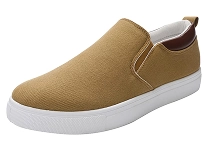
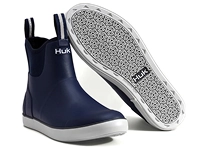
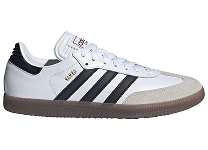
Men's footwear ranges from everyday sneakers and casual slip-ons to formal dress shoes, rugged boots, sandals, and performance-specific designs. Low-top sneakers suit daily wear and travel, while running shoes are built for repetitive movement and may include cushioning, supportive uppers, and grippy outsoles. Loafers and boat shoes offer relaxed options that can work with smart-casual outfits; oxfords and derbies bring a more polished finish to workwear and occasions. Chelsea, chukka, and lace-up boots vary in coverage, fastening, and formality. Sandals and slides prioritize easy wear in warm weather or around the home. Knowing these footwear types makes it easier to narrow a broad selection by activity, outfit, and comfort preference. Ubuy helps shoppers discover international footwear styles and compare options across the category.
- Sneakers, dress shoes, boots, and sandals
- Choose styles around activity and outfit
- Compare everyday and performance designs
Match Footwear to the Occasion
Start with where and how often you plan to wear a pair. Office settings and formal events typically call for polished leather or well-finished synthetic dress shoes, such as oxfords, derbies, or loafers. For smart-casual dressing, minimalist sneakers, chukka boots, or clean slip-ons can balance comfort with a neat appearance. Walking shoes and cushioned sneakers are practical for errands, commuting, and extended time on your feet. Trail footwear and hiking boots are designed for uneven terrain, with features such as traction-focused tread and protective uppers; they are not interchangeable with road-running shoes. For gym sessions, consider training shoes suited to lateral movement and lifting rather than relying on a general-purpose sneaker. Matching the shoe to the setting can improve comfort, functionality, and the overall look of an outfit.
- Consider setting, movement, and wear frequency
- Select activity-specific soles and support
- Coordinate formality with clothing
Find a Comfortable Fit and Support
A reliable fit leaves enough space for toes to spread without letting the heel slip excessively. Check sizing guidance for each style, since lasts, toe shapes, and sizing conventions can differ between brands and models. Try shoes with the socks you expect to wear, and assess both feet because they may not be identical in length or width. A secure fastening system—laces, straps, buckles, or elastic panels—helps adjust the fit, while removable insoles can make room for orthotics where the shoe permits. Consider arch shape, cushioning, heel stability, and intended use, but avoid assuming that more support is automatically better for every wearer. If you need a specific width or footbed, review product details carefully. Comfort during a brief fitting is useful, but fit should also feel appropriate for the activities planned.
- Check toe room, heel hold, and width
- Try on with the intended socks
- Review insoles and support features
Compare Materials, Construction, and Features
The upper material influences appearance, flexibility, breathability, and care. Leather can develop character with wear and often suits dress shoes and boots; suede has a soft nap that benefits from gentle cleaning and protection. Mesh and knit uppers are common in lightweight sneakers, while synthetic materials can offer varied finishes and straightforward upkeep. Outsole compounds and tread patterns affect grip, flexibility, and durability, so compare them with the surface and activity in mind. Cushioning technologies differ by design: foam midsoles may emphasize softness or responsiveness, while structured heel elements can contribute to stability. Stitching, welt construction, lining, and reinforcement also matter, particularly for frequently worn shoes. Brands such as Nike, Adidas, New Balance, and Clarks offer varied footwear categories; compare the individual model specifications rather than relying on brand name alone.
- Assess upper, lining, and outsole materials
- Compare cushioning and tread design
- Check construction details and model features
Care for Shoes and Useful Accessories
Basic maintenance helps footwear stay presentable and can extend useful wear. Remove surface dirt with a suitable brush or cloth, following care instructions for the specific material. Leather may benefit from conditioner or polish, while suede generally calls for a suede brush and material-appropriate cleaner; avoid applying products without checking compatibility. Let damp shoes air-dry away from direct heat, and use shoe trees where appropriate to help maintain shape and manage moisture. Rotating pairs gives footwear time to dry between wears. Useful accessories include replacement laces, insoles, shoe horns, protective sprays, and care kits, selected to suit the shoe's construction and material. For travel or storage, shoe bags can help separate footwear from clothing. Ubuy can be used to explore international footwear and related accessories, with product details helping guide selection.
- Follow material-specific cleaning guidance
- Air-dry and rotate frequently worn pairs
- Choose compatible laces, insoles, and care products
Select the Right men footwear
Before choosing men footwear, set priorities based on intended use, fit, style, and upkeep. Identify whether you need formal shoes, everyday sneakers, work boots, athletic footwear, or a versatile pair for several settings. Then compare size guidance, width, fastening, materials, outsole traction, cushioning, and any water-resistant or weather-oriented features described for the product. Consider how the shoe will pair with your clothing and whether its care requirements suit your routine. If choosing performance footwear, focus on the activity it is designed for, such as road running, gym training, or walking, rather than treating all athletic styles as equivalent. Review product specifications and included components, and check whether insoles are removable if that matters to you. Ubuy offers a place to discover international options and make a considered comparison before selecting a pair.
- Prioritize intended use and dependable fit
- Compare specifications, materials, and maintenance
- Choose a style that suits your routine